Rummy Tips: Finish Each Turn With a Clean Hand Layout
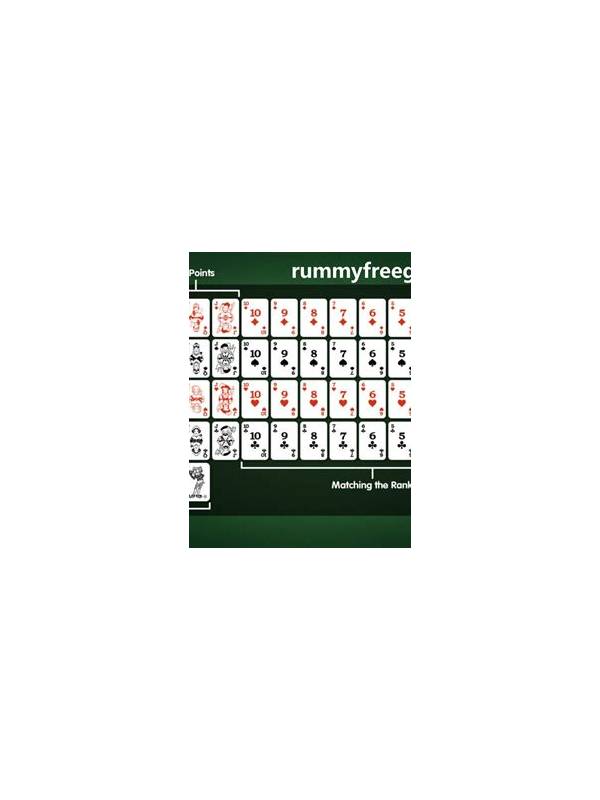
The end of a turn is an opportunity to reset the visual information in your hand. Players who leave cards in the order they were drawn can miss a connection, forget a commitment, or accidentally treat a discarded idea as still active. A clean layout takes seconds and improves the next decision.
After discarding, place completed sequences together, then near-complete sequences, possible sets, flexible bridges, and isolated cards. Keep the categories consistent from turn to turn. The exact physical arrangement is personal, but it should make the strongest legal structure obvious at a glance.
While reordering, say a short summary silently: what is complete, what needs one card, and what is expendable. This summary is more useful than memorizing every card. It also reveals when a supposed group has no credible completion route. If you cannot explain why a card remains, mark it for review on the next turn.
Do not use the layout to create false certainty. A neat pair is still only a pair, and a flexible card still needs a realistic connection. The layout is a tool for seeing the hand, not evidence that the plan will work. Keep a small space for cards whose role is undecided so they do not disappear into a group by accident.
This habit is especially helpful after a pickup from the discard pile, a joker draw, or a failed plan. Reordering makes the change visible and gives you a fresh starting point. Over time, a clean layout can reduce rushed discards, improve rule checks, and make post-game review more precise because you can remember the structure you were actually seeing.
If the interface sorts cards automatically, still perform a mental version of the same process. Identify the groups, mark the undecided cards, and check the legal requirement before confirming a discard. Automatic sorting can organize ranks or suits, but it cannot tell you which plan is credible.
Make the reset a boundary between turns. Once the discard is confirmed, let go of the previous decision and look at the new state. This prevents a frustrating draw or an earlier mistake from controlling the next choice. A clean layout is therefore both a visual habit and a small mental reset. That reset helps each turn begin with current information instead of accumulated noise. The practice is especially valuable for beginners because it creates a repeatable pause between action and analysis. With experience, the same reset may become automatic, but the underlying questions remain useful whenever the hand becomes confusing.