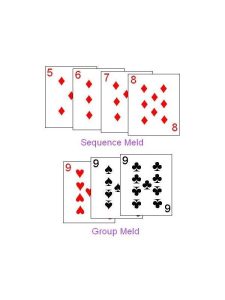
Rummy Tips: Recognize False Progress in a Hand
A hand can look better without becoming better. Cards may be sorted into attractive groups, a high card may leave the hand, or a joker may create a temporary pattern. These changes feel like progress, but the hand still needs a practical route to a valid finish. Learning to spot false progress protects you from holding a weak plan too long.
The first sign is improved appearance without improved requirements. Ask whether the number of confirmed legal structures has increased. If not, a tidy arrangement may only be cosmetic. The second sign is a new group that consumes a card needed elsewhere. A set can look complete while leaving a mandatory sequence impossible or more expensive.
The third sign is reduced clutter with increased dependency. Discarding one high card is useful, but if the replacement group now needs one exact card and has no fallback, the hand may have traded visible risk for hidden risk. Write down the missing cards and count realistic targets rather than relying on the group’s appearance.
The fourth sign is repeated language such as “almost,” “could,” or “just one card.” These words describe possibility, not probability or value. Replace them with a route statement: what card is needed, how many alternatives exist, and what will be discarded if it does not arrive by the next review point.
When false progress appears, take a neutral snapshot. Mark confirmed groups, active routes, unmatched cards, and requirements still open. Keep the strongest route only if it has adequate targets and a reasonable fallback. Otherwise, release the weakest dependency and rebuild from the cards that remain.
Progress in rummy is not always a larger group or a prettier layout. It is a stronger legal route with less exposure and better choices after the next draw. Use that definition to keep attractive but fragile arrangements in perspective.
One helpful review question is, “What became easier after this move?” A genuine improvement usually makes at least one requirement clearer, reduces the number of unresolved links, lowers exposure, or preserves a better fallback. If none of those changed, call the move cosmetic and look again. This does not require rejecting every partial group; it simply makes you prove that the group earns its place in the plan. A brief note after the turn—requirement, route, exposure, or fallback—can show which kind of progress actually occurred and make later review less dependent on memory.