A Simple Rummy Note-Taking Method for Reviewing Decisions
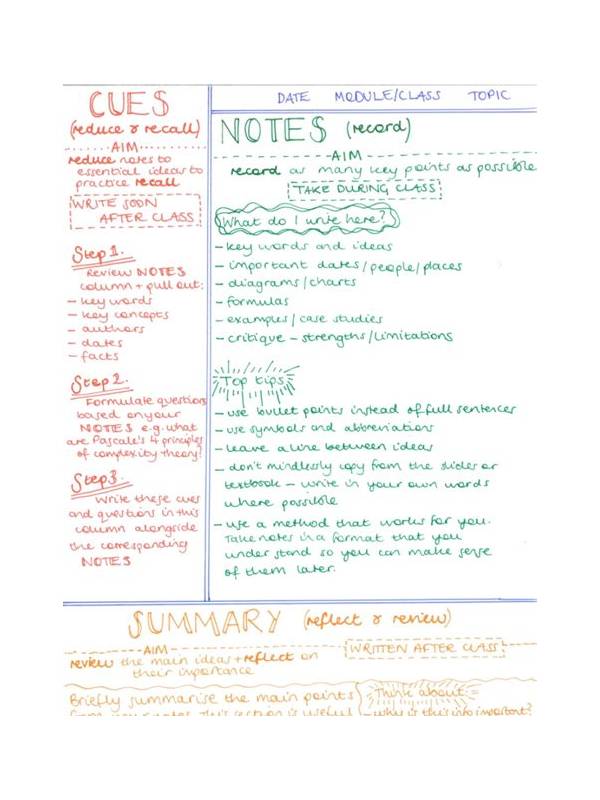
Reviewing a rummy session can be useful, but only when the process is simple enough to repeat. You do not need to record every card or reconstruct an entire table. A short note after each hand can show whether your choices were deliberate, rushed, or based on an assumption that was never tested.
Start with three headings: hand shape, key decision, and next adjustment. Under hand shape, describe the broad structure you saw at the beginning. You might write “one promising run, two connected pairs, and several isolated high cards.” This is more useful than copying the exact hand because it captures the problem you were trying to solve.
Under key decision, record one moment that changed the hand. Perhaps you took a card from the discard pile, held a flexible middle card, or broke a small group to protect your score. Explain what information you had at that time, not what you learned later. This distinction helps separate a reasonable decision from a lucky result.
The final heading should name one adjustment for the next session. Keep it observable: “sort by suit before evaluating combinations,” “check the discard pile before drawing,” or “pause before discarding a ten-point card.” Avoid vague promises such as “play better.” A specific action is easier to remember and assess.
Review the notes in batches of five hands. Look for repeated behaviors rather than isolated mistakes. If several notes mention late sorting, the problem may be organization. If they mention keeping attractive pairs too long, the problem may be attachment to potential. Patterns are more valuable than self-criticism.
Do not use the review to justify playing longer. Set a fixed stopping point before beginning, and write notes only after the session has ended. If frustration is high, record just the facts and review them another day. A calm review produces better information than an emotional verdict.
The goal is not to create a perfect archive. It is to build a small feedback loop: observe the hand, name the decision, choose one experiment, and check whether the experiment helped. That routine develops awareness while keeping the game recreational and controlled.
Keep the language neutral in your notes. “I discarded too quickly” invites a useful review, while “I played badly” ends the inquiry. You are collecting clues about decisions, not judging your character. That distinction makes it easier to notice improvement and to change a habit without adding unnecessary pressure.