
Rummy FAQ: Should You Keep a Card for Defense?
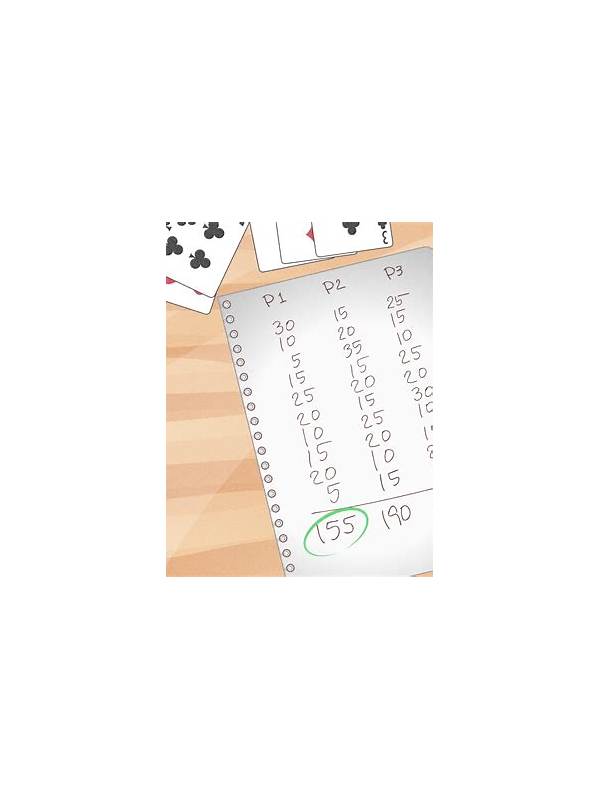
Keeping a card because another player might need it can be sensible, but defensive play has limits. A card you hold is also a card unavailable for your own arrangement. The decision should balance visible evidence, your hand’s needs, and the cost of carrying the card.
Begin with evidence. Have several players shown interest in the same rank or suit? Has the card appeared near a recent sequence? Or are you protecting against an imagined possibility? Stronger evidence justifies a defensive hold more than a single discard. Avoid claiming certainty about another player’s hand when the information is incomplete.
Next, measure your own use. A defensive card that also supports a clear group is inexpensive to keep. A defensive card that is isolated, high-value, or blocking a required structure has a larger cost. Compare it with the card you would discard instead. Defense is not free simply because it feels cautious.
Timing matters. Early in a hand, you may have room to carry an uncertain card while gathering information. Later, the need to finish your own legal arrangement usually becomes more pressing. Reassess rather than following an early defensive decision automatically. If new discards contradict your original read, release the card and adapt.
Rules can also change the value of a defensive choice. Penalties, discard-pile access, joker behavior, and declaration requirements differ between formats. Read the current table rules before applying a general tactic. Defensive play should never mean colluding, communicating privately, or violating platform policies.
Use a quick test: “What evidence am I responding to, what does this card do for me, and what is its point cost if I keep it?” If you cannot answer the first question, the hold may be superstition. If the second answer is empty and the third is large, choose your own hand’s improvement. Practice the test in low-pressure games and keep a clear session limit. Good defense is selective, reversible, and proportionate.
Remember that a discard can be useful to another player without being dangerous to you. You cannot protect against every possible completion, and trying to do so may leave your own hand unfinished. Defensive choices are strongest when they arise naturally from your arrangement. If the table provides no clear evidence, prioritize a legal, lower-risk hand of your own. Review the decision afterward by comparing the information you had with the information revealed later, rather than judging it only by who benefited.


