
Rummy How-To: Create a Clean Table for Better Card Review
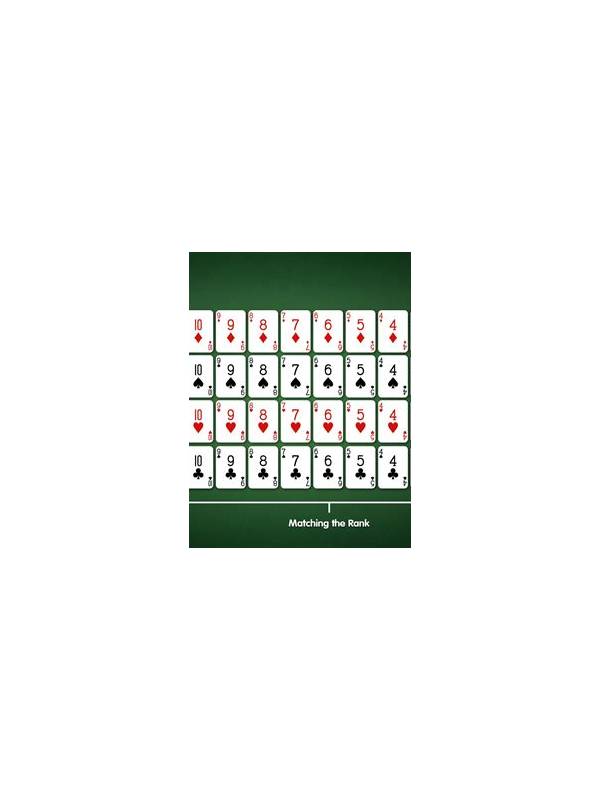
A clean table does not improve the cards, but it can improve the quality of your decisions. When groups, loose cards, and discards overlap, you spend attention finding information instead of evaluating it. A simple layout gives every card a clear role and makes mistakes easier to catch.
Choose one direction for sorting. Many players arrange cards by suit from low to high, then place different suits in separate rows. Others prefer to place developing groups together and keep isolated cards in a distinct area. Either method works if it is consistent. Avoid changing the layout every turn, because the act of reorganizing can hide a new card or cause a discard to be overlooked.
Leave visible space between confirmed groups and possible groups. A completed sequence should not be mixed with a pair that still needs a card. Use a small gap, a separate row, or a clear digital grouping to show the difference. This prevents a hopeful combination from being treated as finished when you review whether a declaration is valid.
Keep the discard information readable. If physical cards are used, place the discard pile where its top card is visible without disturbing the rest. In a digital game, take advantage of any history or enlarged view, but do not rely on a tiny icon if the details are hard to read. The last visible discard may affect your choice, so it deserves a stable position.
Reduce distractions before a serious review. Silence nonessential notifications, close unrelated windows, and keep only the notes you actually need. If you track a practice hand, record the turn number and the reason for a key decision rather than writing every thought. Too much information can become another form of clutter.
Finish with a quick visibility check. Can you identify the complete groups, the strongest developing route, and the best likely exit in a few seconds? If not, adjust the layout before deciding. A clean table is not about making the hand look neat for its own sake. It is a practical aid that lowers search time, reduces accidental omissions, and leaves more attention for the uncertainty that really matters.
If you play on different devices, keep the same basic arrangement wherever the interface allows it. Familiar placement reduces the small mental cost of adapting to a new screen. When an interface cannot be rearranged, slow down for the first few turns and confirm where each information area is located.


