How to Organize a Rummy Hand for Faster Checks
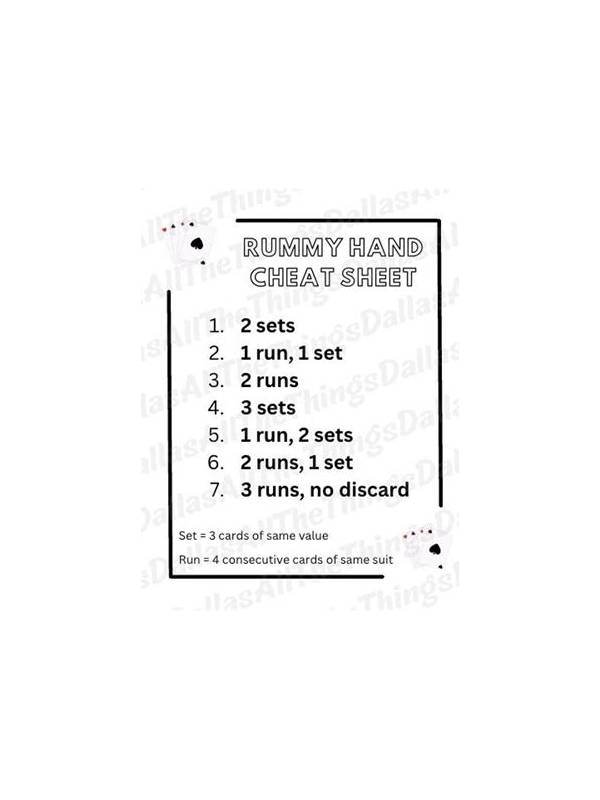
An organized hand is easier to evaluate than a row of cards that changes shape every turn. Organization does not improve the cards themselves, but it reduces the chance of overlooking a pure sequence, miscounting a set, or keeping a high-risk card because it is visually buried. The best arrangement is one you can repeat consistently.
Begin by separating cards into three working areas. Put confirmed or nearly confirmed sequences together, keep possible groups in a second area, and place uncommitted cards in a third. A confirmed group still needs to satisfy the rules before you declare, so label it mentally as “strong,” not “finished.” This distinction prevents early confidence from hiding a missing requirement.
Within each area, sort by suit and rank in the way that makes connections obvious. For a possible sequence, place neighboring ranks beside one another and leave a small visual gap before the next idea. For a possible set, stack or align equal ranks if the interface allows it. Avoid arranging cards only by their apparent value; a low card can be more useful than a face card when it completes a sequence.
Use a temporary marker for flexible cards. A joker may support several groups, but assigning it too quickly can make a weak plan look complete. Keep it beside the alternatives until you know which placement leaves the rest of the hand easiest to arrange. Similarly, a middle card can connect two directions, yet it may be less valuable than a card that completes a group immediately.
After every draw, perform the same three checks. Identify the strongest pure sequence. Count how many cards remain outside a credible group. Then ask whether the proposed arrangement depends on one very specific future card. If it does, mark that plan as narrow and compare it with a less elegant arrangement that can use several possible draws.
Do not keep reorganizing for its own sake. Excessive movement can make you forget why a card was retained. Make a change when a new card creates a better group, when a discard removes an assumption, or when your current layout hides the rules you must satisfy. At the end of a hand, take a short note about which visual arrangement helped and which confused you. A repeatable layout turns hand review into a routine, leaving more attention for probability, timing, and responsible session limits.