How to Use a Rummy Discard Log for Practice
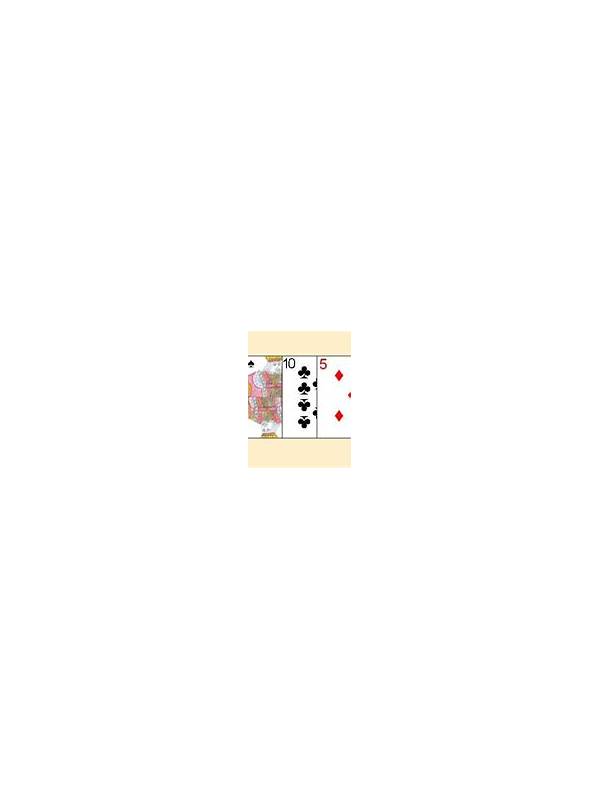
A discard log is a practice tool, not a promise of perfect prediction. By noting public discards, you can remember which ranks and suits have already appeared and make your later choices more deliberate. The method works best when the record is short enough to maintain without distracting you from your own hand.
Create four simple columns: turn, discarded card, player, and your interpretation. The first three are observations. The last is optional and should contain a cautious note such as “may reduce interest in this suit,” not “definitely has a set.” If the interface makes player names difficult to track, use positions around the table or leave the player column out. Accuracy is more important than detail.
Record a card when it enters the discard pile, not when you later remember it. Separate cards that you saw from cards you merely expected. If the pile contains several visible cards, note only what the rules allow you to act on and what you can verify. Do not try to reconstruct information hidden by the interface. A false record can be more harmful than an incomplete one.
Use the log during a turn in two ways. First, check whether a potential draw has already appeared and been rejected by another player. That can reduce the attractiveness of a plan, although it does not make the plan impossible. Second, observe which cards players repeatedly avoid taking. Avoidance is weak evidence because a card may simply not fit the current hand, so keep it separate from confirmed facts.
After the session, review only two questions. Which discard changed your plan? Which assumption did later information disprove? If you noticed that you kept waiting for a card already discarded, revise your planning routine. If your interpretations were repeatedly too certain, change the wording in the log to preserve alternatives. Do not turn the notes into a claim that you know another player’s hand.
Keep practice separate from money decisions. A longer log does not justify a larger stake, and a successful prediction does not prove a system. Use free or low-pressure tables while learning the method. The purpose is to strengthen attention, memory, and review. When the record starts making you anxious or slows every decision, simplify it or stop using it. A useful log supports clear play; it should never become another source of pressure.