Rummy Guide: Identify the Most Expensive Uncertainty
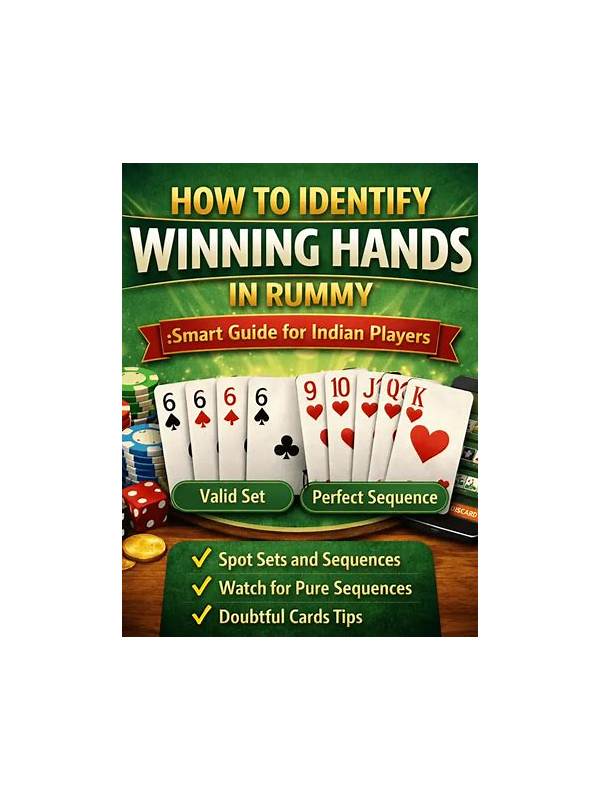
Not every uncertainty in a rummy hand deserves equal attention. You may be unsure whether a connector will arrive, whether a pair is worth keeping, or which route an opponent is building. The most useful question is which unknown could cause the largest practical damage if it remains unresolved.
Begin with your own hand. Identify the cards that are both high penalty and weakly connected. These are expensive uncertainties because keeping them while waiting can hurt your final score. Then identify legal uncertainties, such as whether you have the required pure sequence. A route that looks efficient but cannot produce a legal finish should move to the top of the concern list.
Only after that should you study opponent possibilities. Opponent information can improve a decision, but speculation about another hand should not distract you from obvious problems in your own. If your hand has two costly singles and one narrow draw, solve or reduce that exposure before trying to decode every discard.
Create a ranking with three labels: urgent, useful, and optional. Urgent means the uncertainty affects legality or carries substantial penalty. Useful means resolving it could improve the route but will not ruin the hand if unanswered. Optional means it is interesting but unlikely to change your next action. This ranking prevents analysis from expanding without improving decisions.
Re-rank after each draw or visible change. The most expensive uncertainty can shift quickly. A new connector may solve a legal concern while creating a high-value passenger elsewhere. Clear thinking is not knowing everything; it is directing attention toward the unknown that matters most now.
This method can also improve communication when discussing a hand with a practice partner. Instead of saying that a route “feels bad,” explain which uncertainty is expensive and what evidence would resolve it. Your partner can challenge the ranking rather than argue about the result. Keep the discussion tied to information available at the time. A later card may show that a choice worked, but it cannot retroactively make an uncertain decision certain. Ranking unknowns builds patience and transferable analysis. The ranking is a guide, not a calculation that must be perfect. Its value comes from choosing where to look first. It keeps analysis practical when information is incomplete.