Rummy Guide: Separate a Card’s Value From Its Current Job
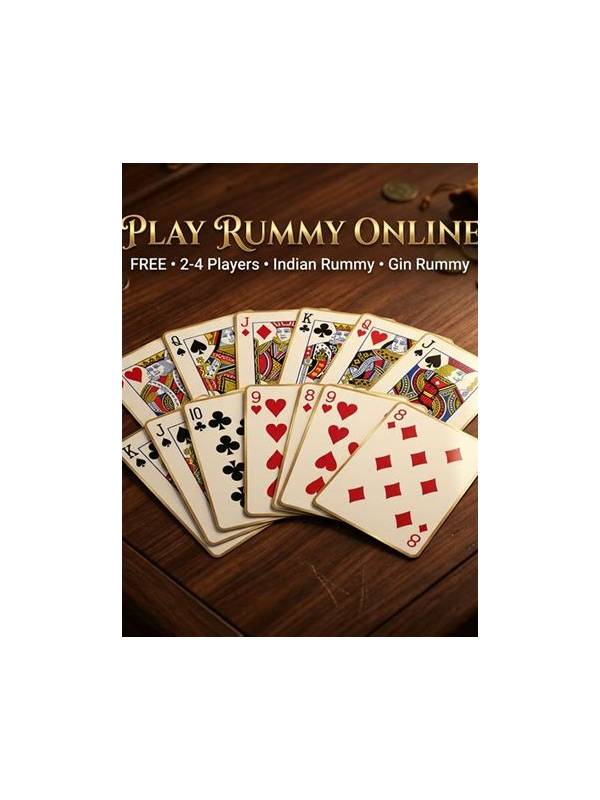
In rummy, a card is often judged by its printed value, its suit, or the number of possible combinations around it. Those facts matter, but they do not tell the whole story. A useful review separates a card’s general value from its current job. A medium card may be ordinary in isolation but essential to a nearly complete sequence. A high card may be expensive if left loose, yet temporarily useful as a bridge while the hand is being reorganized.
Start by naming the card’s current job. It may be anchoring a sequence, preserving a possible set, connecting two cards, or simply remaining unassigned while you wait for information. Write the job in plain language. “Keeps the seven-eight route alive” is more useful than “good card.” If you cannot describe a job, the card may be a candidate for discard even if it looks attractive.
Next, estimate the cost of removing it. Ask how many remaining cards could repair the structure and whether those cards are narrow or flexible. Removing a connector that supports two routes may be costly. Removing a duplicate that supports only one weak idea may be cheap. This comparison prevents a flashy possibility from receiving more protection than a reliable partial meld.
Then consider timing. A card’s job can change after every draw and discard. A card held for three turns without gaining support should be reviewed, not defended automatically. Conversely, a card that recently became part of a clean sequence may deserve protection even when its numerical value is high. Timing turns a static ranking into a practical decision.
Use a short three-line check before discarding: current job, replacement cost, and next review point. If the card has no clear job, its replacement cost is low, and another review will not come soon, discarding it is easier to justify. This method does not guarantee a winning move. It gives you a repeatable way to make decisions when several cards appear similarly useful.
Review the idea after the hand. Note one card whose printed value distracted you from its actual role. With practice, you will notice that good rummy decisions are often about preserving structure rather than collecting cards that merely look promising. This distinction is especially helpful when two cards share the same point value. Their numbers may be identical, but their jobs can be very different. One may be replaceable while the other keeps a sequence connected. Looking at role first encourages a calmer comparison and makes your reasoning easier to explain during a later review.