Comparing Stock Draws and Discard Draws in Rummy
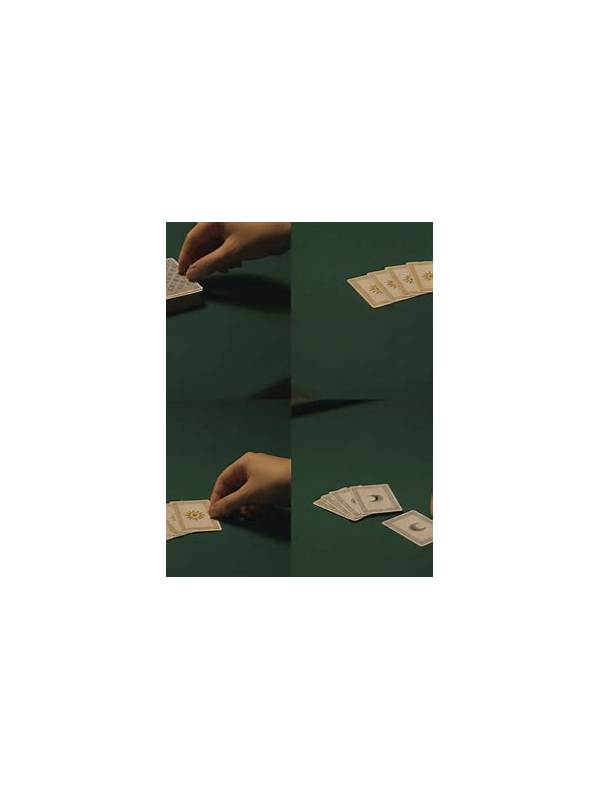
The choice between the stock and the discard pile is not only about which card looks attractive. Each source offers a different amount of information and a different effect on the table. The discard pile is visible and often specific, while the stock preserves uncertainty but may offer a card that no opponent can immediately interpret. Comparing both options helps prevent automatic choices.
A discard draw is strongest when the card has a clear role in your hand. It may complete a sequence, create a set, or turn a pair into several credible options. Before taking it, check whether the pickup reveals more than you want to reveal. An obvious pickup can tell opponents that a rank, suit, or connection matters to you. That information is not always harmful, but it should be part of the decision.
The stock draw is less predictable, yet it protects some information. If the top discard is useful only because it supports a narrow plan, the stock may be preferable. A random card can also force a helpful reset by showing that your current arrangement depends too heavily on one future draw. Do not call the stock “better” simply because it is unknown; unknown cards also produce dead ends.
Use a three-part comparison. What immediate improvement does each source offer? How many future cards would keep the plan alive? What would the choice communicate to other players? Score the options qualitatively as strong, workable, or weak. This prevents a single exciting card from dominating your evaluation.
There is a practical rules check as well. Some formats place conditions on taking from the discard pile, and some interfaces may display several cards while allowing only the top card to be selected. Confirm the active table’s rules. Never assume that a familiar rule from another variant applies unchanged. A misunderstanding at the draw stage can invalidate the rest of the turn.
After drawing, reassess rather than defending your choice. If the new card does not fit, release it without trying to justify the earlier decision. If the discard draw gave you a useful group, still check whether another card is now the safest discard. Good play is not about choosing the same source every turn. It is about matching the draw to your current structure, the remaining uncertainty, and the limits you set for the session.