Rummy Comparison: Open-Ended Plans Versus Closed-Ended Plans
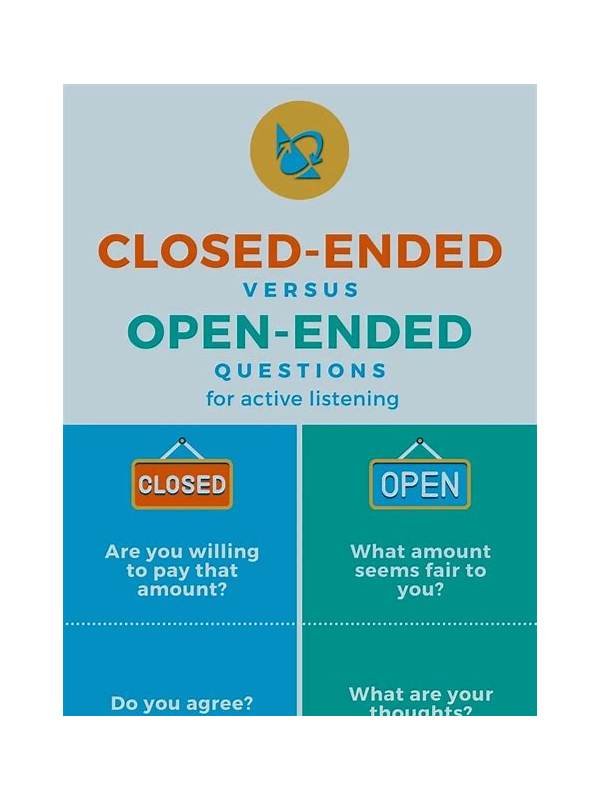
An open-ended plan can improve through several related cards, while a closed-ended plan depends on one exact card or a narrow event. Neither type is always better. The useful comparison is how each plan fits the hand, the timing, and the information available at the table.
Open-ended plans are attractive because they offer more than one improvement. A middle sequence may connect on either side, and a pair may have two possible continuations. This flexibility can reduce the chance of being stranded after one unhelpful draw. It also allows a player to adapt when visible cards change the picture.
The cost is that open plans can become vague. A player may hold several loosely related cards without defining which route matters most. If every option requires multiple unseen cards, the apparent flexibility is only a collection of hopes. Give open plans a boundary: name the best route, the backup route, and the point at which one will be released.
Closed-ended plans are easier to evaluate. If a hand needs one exact rank to complete a group, the requirement is clear. This can be useful late in a hand or when the exact card has a reasonable chance of appearing. The danger is waiting too long for a narrow improvement while other cards accumulate points or lose value.
Compare both plans by four measures: number of required cards, overlap between routes, point cost of waiting, and effect on compulsory groups. An open plan wins when it offers genuine alternatives at a manageable cost. A closed plan wins when the remaining requirement is clear, urgent, and worth the wait.
Timing changes the answer. Early flexibility can be valuable while little information is available. Near the end, a precise route may be easier to complete and verify. Always check the declaration rules before choosing a plan that looks efficient but leaves a required group missing.
In practice, keep one main plan and one limited fallback. This balance preserves adaptability without allowing the hand to become directionless. Review the plan after every meaningful draw, and judge the choice by the quality of the information available rather than by the luck of the next card.
If both plans depend on several unseen cards, treat that as a warning rather than calling the hand flexible. Choose the route with fewer conflicts, protect any compulsory requirement, and set a point at which you will reassess. A plan explained in one sentence is easier to execute under a timer.