Rummy FAQ: Why Can a Good Draw Still Create a Hard Decision?
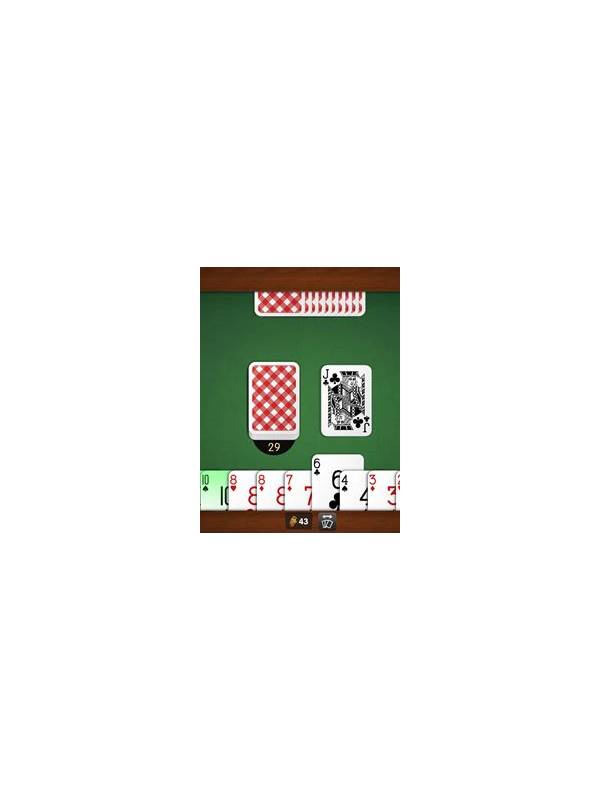
A good draw does not always simplify a rummy hand. Sometimes the card fits two routes at once, completes one attractive group while weakening another, or creates several new choices. The difficulty comes from opportunity cost, not from the card being bad.
Start by listing every meaningful use for the draw. Separate immediate legal progress from possible future progress. A card that completes a group may provide visible value, while a card that connects two fragments may provide flexibility. Do not count a route that violates the rules or requires an unrealistic chain of future cards.
Then compare what each use would force you to release. If using the card in one group strands a high-value leftover, that cost matters. If keeping it flexible prevents you from locking in an essential sequence, that matters too. The best choice is the one that leaves the strongest practical arrangement, not necessarily the one that creates the most exciting combination.
Timing helps. Early in the hand, preserving flexibility can be sensible when several routes remain open. Later, converting a useful draw into a confirmed legal group may be more valuable because fewer turns remain. Always check the declaration requirements before treating a group as finished.
Use a short tie-breaker when two options appear close: prefer the route with more completion cards, fewer shared dependencies, and lower penalty if it fails. If the routes remain equal, choose the one that is easier to review on the next turn. Clear tracking can be more valuable than a complicated plan.
Avoid judging the decision solely by the next card. A choice can be reasonable even when the alternative would have worked immediately. Review the evidence available at the moment, including visible cards, turn count, and the shape of the rest of the hand. The purpose of analysis is to improve priorities, not to pretend uncertainty can be removed.
A good draw is an invitation to compare routes carefully. Pause, map its uses, calculate what each use costs, and then commit to the plan with the best practical balance. The extra few seconds can prevent a helpful card from becoming a source of unnecessary confusion.
If the choice remains difficult, record both routes and continue with the one that leaves the hand easier to read. Clear organization lowers the chance of overlooking a legal group or forgetting what a card was meant to do. A tidy plan is not guaranteed to win, but it is easier to evaluate.