
Rummy FAQ: When Is a Safe-Looking Card a Trap?
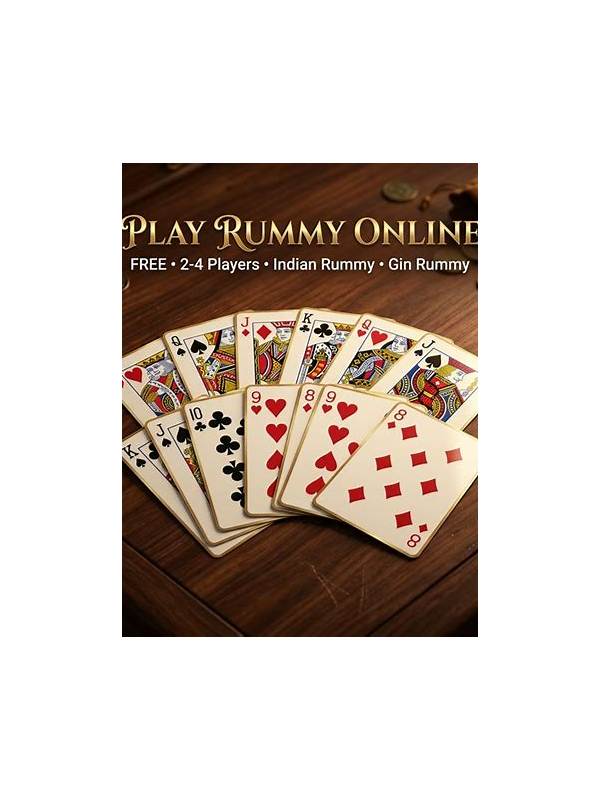
A card may look safe because it has a low point value or because it fits one attractive pair. Yet safety is about the whole hand, not one feature. A low card can be a trap when it keeps several weak ideas alive and prevents you from building a clear arrangement.
The first warning sign is a card with only one imagined future. If you are holding it because “something might turn up,” identify the exact cards that would help and how many remain unknown. If the list is short, give the card a deadline. After another turn or two without improvement, reconsider it instead of granting it permanent protection.
The second warning sign is overlap without progress. Suppose one card seems to belong to a possible sequence and a possible set, but neither group is developing. The card may feel flexible, yet its flexibility is theoretical. A truly useful flexible card improves more than one realistic route. Separate actual connections from stories you are telling yourself about the hand.
The third warning sign is opportunity cost. Keeping a card means discarding something else. Ask what the alternative discard would remove: a high penalty, a completed connection, or an opponent-facing clue. The safe-looking card becomes a trap when it forces you to hold a more dangerous card or keeps your hand too crowded with unfinished ideas.
This does not mean discarding every uncertain card immediately. Some uncertainty is normal, especially early in a deal. Instead, rank your cards by clarity. Keep cards that support a clear sequence, a useful group, or multiple realistic routes. Be willing to release cards whose value depends on several unlikely events.
Rules and scoring vary, so the right choice depends on the format. Learn how declarations, jokers, and penalties work before applying any strategy. Also treat “safety” as a decision concept, not a reason to chase a result with larger stakes. A short review after the hand can help: which card looked safe, what did it actually contribute, and when should you have changed plans? That reflection turns a vague trap into a repeatable lesson.
Another trap is emotional attachment to a card that arrived after a long wait. The time spent holding it does not increase its future value. Check its current connections as if it had just entered your hand. If its role is still weak, letting it go may be the cleanest reset. A short note after the hand can identify these moments without blame. Ask whether the card had evidence, a deadline, or a useful alternative. Those three checks make the next decision less dependent on excitement or disappointment.


