Rummy FAQ: What Is a Narrow Draw?
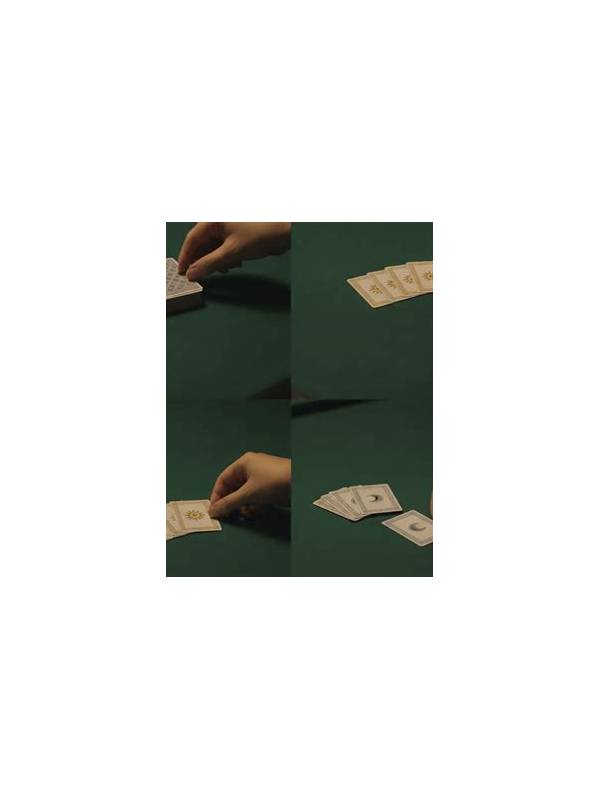
A narrow draw is a hand plan that needs one exact card, or a very small set of cards, to become useful. For example, two cards may appear close to a sequence, but only one missing rank may complete the idea. The plan is not automatically wrong. It is risky because the number of helpful future outcomes is limited and the hand may remain unfinished for several turns.
The first step is to count the live cards, not just admire the connection. Ask which exact ranks and suits would improve the group and whether any have already appeared in the visible discards. Keep the answer separate from assumptions about hidden hands. A card that has not been seen is possible, not promised.
Then compare the narrow draw with a wider arrangement. A less elegant plan may accept several ranks, use a flexible card differently, or reduce the number of isolated cards. It may not look as close to completion, but flexibility has value because it gives you more ways to improve on future turns. Compare the number of credible next steps, the penalty of waiting, and the requirements for a valid declaration.
Give the narrow draw a deadline. At the beginning of a hand, you might allow a short trial while watching for supporting cards. Later, the deadline should become stricter because each unresolved card has less time to find a role. If the required card does not arrive by your chosen point, release the plan rather than waiting because it has already consumed several turns.
Do not confuse a narrow draw with a bad mood. The correct response to a missed draw is not to chase it with a higher stake or an extra session. It is to reassess the current hand. A missed card can be ordinary variance, and a successful narrow draw can be ordinary luck. Neither result proves that the original plan was always correct.
Use clear language in your notes: “needs one of two ranks,” “three visible alternatives remain,” or “no support after two turns.” This keeps the review factual. Narrow draws are useful teaching examples because they show how flexibility, time, and risk interact. Recognizing one early helps you make a deliberate choice about when to continue, when to simplify, and when to stop.