
Rummy FAQ: When Should You Abandon a Near Sequence?
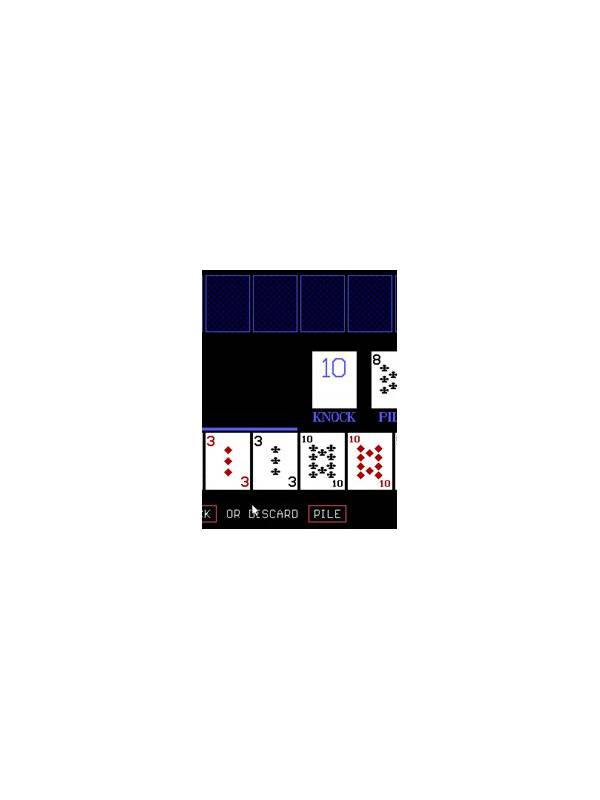
A near sequence is tempting because it already resembles a finished group. The danger is allowing its appearance to control every later decision. A two-card connection can be useful, but it is not automatically better than a flexible pair, a low-risk discard, or a card that supports a required pure sequence.
The first question is whether the sequence is legal and strategically relevant under the rules you are playing. If it cannot help satisfy an essential requirement, its value may be lower than its visual neatness suggests. The second question is how many cards can complete it. A gap that accepts two ranks offers more opportunity than a route that needs one exact card. Also consider whether the needed cards remain plausibly available, based on visible discards and your own holdings.
Timing matters. A near sequence may deserve patience in the opening, when several draws remain. The same shape can become a liability late in the hand, especially if it contains high cards or blocks a route that is already improving. Reassess after meaningful events: a useful rank appears in the discard pile, an opponent repeatedly takes a suit, or one of your other combinations becomes confirmed.
Abandoning a route does not mean throwing away every card connected to it at once. Test whether one card can migrate into a second plan. For example, a middle card might connect to a different suit route, while an end card may have little alternative value. Release the least flexible piece first, then reassess the remaining cards. This staged approach preserves options without allowing the original idea to dominate.
The best rule is simple: keep a near sequence while its expected improvement justifies its cost. Its cost includes missed opportunities, points left exposed, and information revealed by repeated discards. If the route is consuming useful turns without becoming more flexible, leave it. A disciplined switch is not failure; it is evidence that your current information has changed. One practical signal is the quality of your next discard. If keeping the near sequence forces you to release a card with several useful connections, the route may be costing more than it gives. Another signal is repetition: if you describe the same route as “almost finished” for several turns without new support, treat that description as a warning. A short written note after play can reveal this pattern. The purpose is not to create a rigid formula, but to make attachment visible before it decides the hand for you.


