
Rummy How-To: Build a Hand Map Before Your First Draw
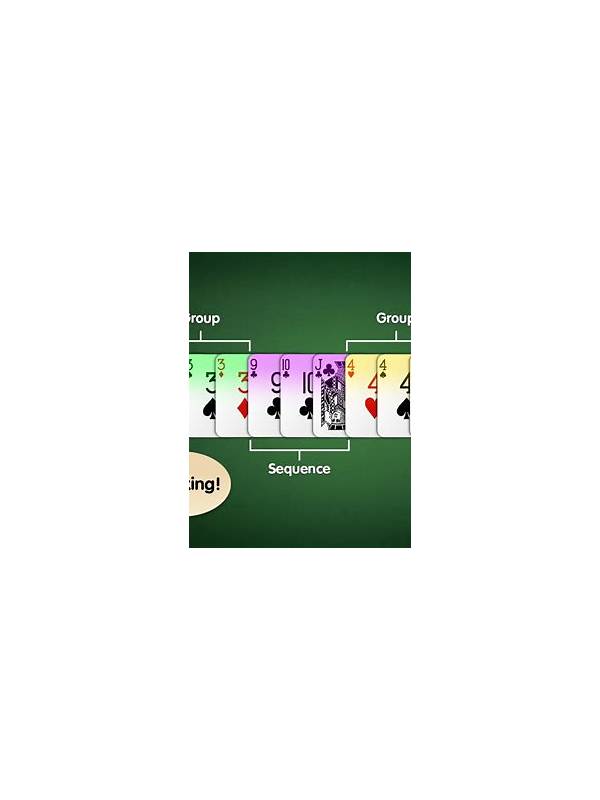
A hand map is a temporary picture of what your cards might become. It is not a fixed arrangement and it should not encourage you to cling to an early idea. Its purpose is to make the first draw more thoughtful by showing several possible jobs for each card.
Sort cards by suit first, leaving space between possible runs. Then mark obvious consecutive links and repeated ranks. Separate any card that belongs to a confirmed or nearly confirmed group from cards that have no current connection. If jokers are in use, note where they would provide the most flexibility, but do not assign one to a route merely because that route looks attractive.
Now create two or three candidate plans. One plan should prioritize the required pure sequence if your rules demand one. Another can use a set or a second sequence. A third may be a defensive plan that reduces high-value loose cards. The point is not to predict the exact final hand. It is to prevent the first promising combination from becoming the only combination you can see.
For each plan, write down the missing ranks or suits and identify which cards overlap between plans. An overlap card is valuable because it keeps alternatives alive. A card appearing in only one fragile route should be judged more strictly. Ask how many future draws could help, whether the needed cards are visible, and what you would discard if the route fails.
After the first draw, update the map immediately. Cross out a route when its key card becomes unavailable or its cost grows too high. Add a route only when the new card genuinely supports it. This simple discipline keeps the hand map connected to evidence rather than wishful thinking. With practice, the routine takes less than a minute and makes both your sorting and your discards easier to explain. Keep the map temporary. A hand map is a working hypothesis, not a scorecard of your intelligence. If a card breaks an expected pattern, remove the old mark and draw a new one mentally. You can also use the routine during free practice with imaginary draws: pause, add a card, and name two possible roles before choosing a discard. This builds the habit of seeing alternatives without needing a high-pressure table. The goal is clarity at the moment of choice, not a perfect diagram preserved from start to finish.


