Rummy Guide: Compare Two Possible Discards
When two cards appear equally disposable, choosing between them can feel like a guess. A simple comparison routine turns that moment into a repeatable decision. The purpose is not to predict the exact next card. It is to identify which discard leaves the hand easier to complete while giving away less useful information.
Start by describing the job of each card. Is it part of a confirmed meld, a possible sequence, a pair, or merely a high-value card with no connection? A card that has no current role is usually a stronger discard candidate than one that supports two reasonable routes. Write the roles down mentally before considering point value.
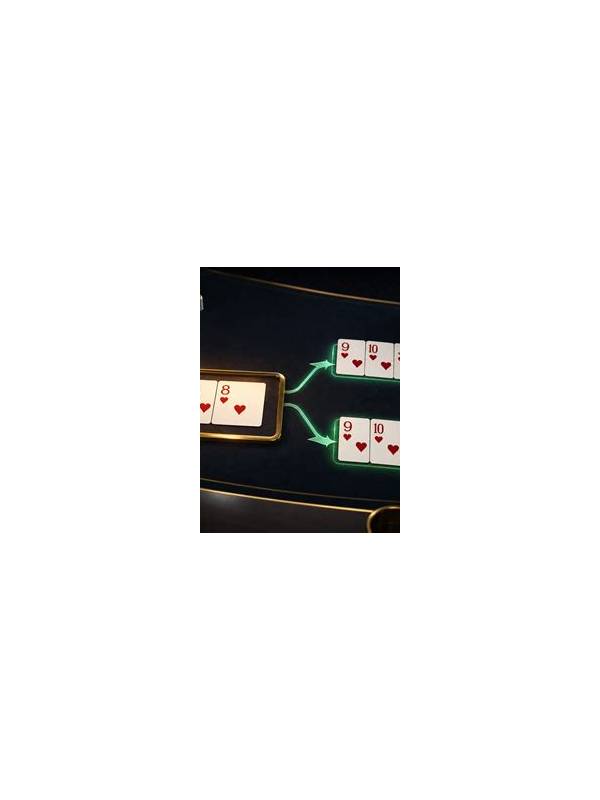
Next, count useful connections. For each candidate, ask how many cards could improve the hand on the next few turns. A middle card may connect on both sides, while an edge card may have only one practical neighbour. Do not treat every theoretical connection equally. A card that would require several specific draws is weaker than one that can join multiple natural structures.
Then consider information. Discarding a card that fits a visible pattern may tell opponents which suit or rank you have abandoned. That is not automatically bad, but it can make your remaining plan easier to read. Compare whether either discard is likely to complete a common sequence for someone else. A low point total does not make a card harmless if it has high connection value.
Finally, check flexibility after the discard. Imagine drawing an ordinary card rather than the perfect one. Which remaining hand can still be rearranged? Prefer the discard that leaves at least two workable routes when both options have similar risk. This protects the hand from becoming dependent on one narrow draw.
The routine can be summarized as role, connections, information, and flexibility. It takes only a few seconds once practiced. Keep the comparison neutral: the aim is to improve the structure of the current hand, not to prove that an earlier choice was wrong. After the hand, record which factor decided the choice and whether that factor was useful. Over time, the notes reveal whether you overvalue points, chase attractive pairs, or overlook information in the discard pile.
Use the same order every time so the method remains quick under pressure. If one factor clearly dominates, decide and move on; the checklist is meant to sharpen attention, not create hesitation. A sound comparison leaves you with a reason you can explain in one sentence.