
Rummy Guide: Use a Route Score for Difficult Holds
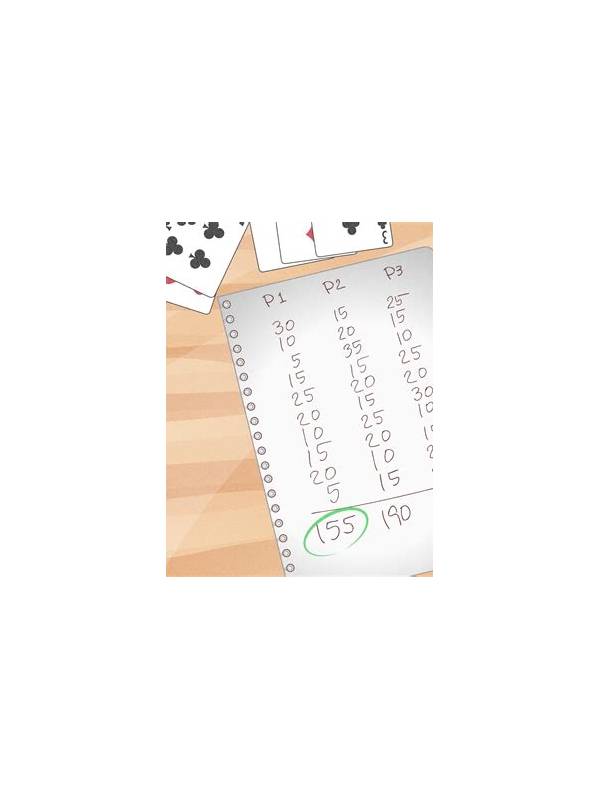
When two or three holds compete, a simple route score can organize the comparison. The score is not a promise of outcome and does not require advanced mathematics. It is a checklist that combines completion support, timing, flexibility, and exit quality.
Give each route a quick rating from low to high for four factors. First, count realistic improvement cards. Second, check whether the route helps a required structure. Third, consider how many other plans share its cards. Fourth, rate the quality of the discard available if improvement fails. A route with strong potential but no exit should not receive an unqualified high score.
Add a timing adjustment. An early route can receive more patience, while a late route must show immediate progress. Also reduce confidence when the route relies on cards that have already appeared in discards or when it requires a particular order of events. The adjustment keeps a broad-looking plan from hiding its practical weakness.
Compare scores only among routes that fit the same rules and hand state. Do not use the method to justify an invalid structure or to avoid checking a declaration. If a route clearly supports a mandatory pure sequence, that rule requirement may outweigh a small difference in the other categories.
After the hand, review the score rather than the result. Did you overrate visible potential and underrate the exit? Did you ignore timing? Modify the checklist if it repeatedly misses the same factor. A route score is useful because it makes assumptions visible, giving you something concrete to improve instead of a vague feeling that one hold “looked right.”
Keep the scoring language simple enough to use in real time. For example, call a route strong, workable, or weak in each category rather than assigning artificial precision. You can give extra weight to a mandatory structure and to a safe exit, because both protect the hand from common failure. Do not compare scores from different turns without adjusting for the number of draws left. A route that is workable early may be weak late. The score is a conversation with yourself: it asks what the route offers, what it costs, and what evidence would make you change your mind. That is more valuable than a number that appears exact but hides uncertainty. If the score feels difficult to assign, that uncertainty is itself a result. Record which category lacked evidence and seek that evidence next time.


