
Rummy Safety: Take a Break After Repeated Near Misses
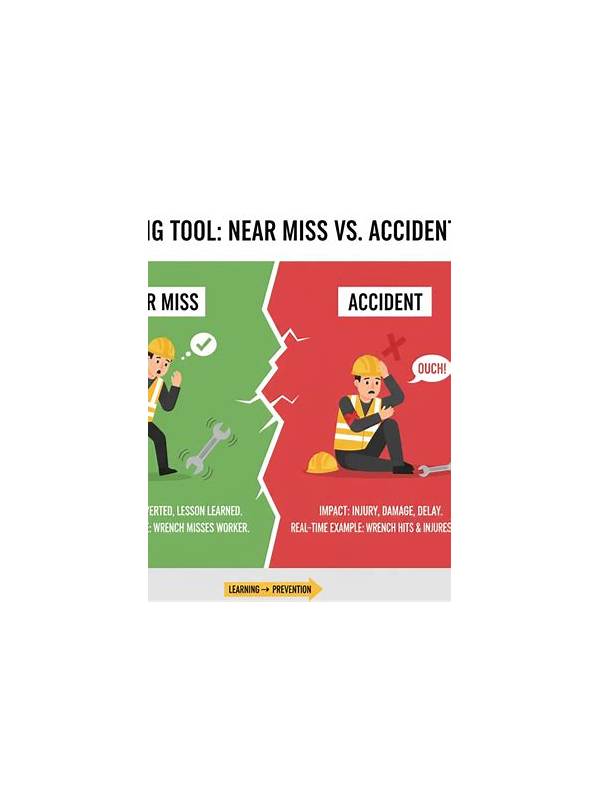
Several hands that end just short of completion can create a strong urge to continue immediately. That feeling is understandable, but repeated near misses can narrow attention and make ordinary decisions feel urgent. A planned break protects judgment and keeps recreational play within the limits you chose beforehand.
Notice the pattern rather than arguing with the emotion. Signs include checking the same route repeatedly, increasing the session length without deciding to, or treating the next hand as a chance to recover a result. A near miss is not evidence that success is due. It is a reason to review whether your current decision process is still calm.
Use a simple break rule before play begins. For example, pause after a set number of hands, after a fixed period, or when you notice repeated re-entry into the same narrow plan. The rule should be easy to follow and independent of whether the last hand was a win or loss. If money is involved, keep spending limits separate and never extend them to continue a streak.
During the break, step away from the table and reset your attention. Drink water, stretch, or write one neutral observation about the hand. Do not use the pause to study promotional prompts or make an immediate deposit. If you feel pressure to return, extend the break or end the session.
When you resume, decide whether the original goal still applies. You may choose a lower-stakes practice format, a single review exercise, or no further play that day. Responsible play is not measured by how long you persist after disappointment. It is measured by whether your decisions remain voluntary, informed, and within boundaries you set while calm.
If near misses repeatedly affect your mood, use a lower-intensity format for practice or stop for the day. Avoid chasing a result by increasing stakes, extending time, or accepting offers designed to keep you engaged. A break is also a good time to check whether notifications, social pressure, or confusing rules are adding tension. If you cannot explain the limits of a table or feel unable to leave, do not continue until the situation is clear. Responsible habits work best when they are decided before emotion rises. The strongest reset may be closing the app, recording a neutral lesson, and returning only when you genuinely want to and can do so safely. Stopping is a complete decision, not an unfinished one. A calm boundary protects tomorrow’s attention as well as today’s budget.


