Rummy How-To: Review Decisions With a Cause-and-Effect Chain
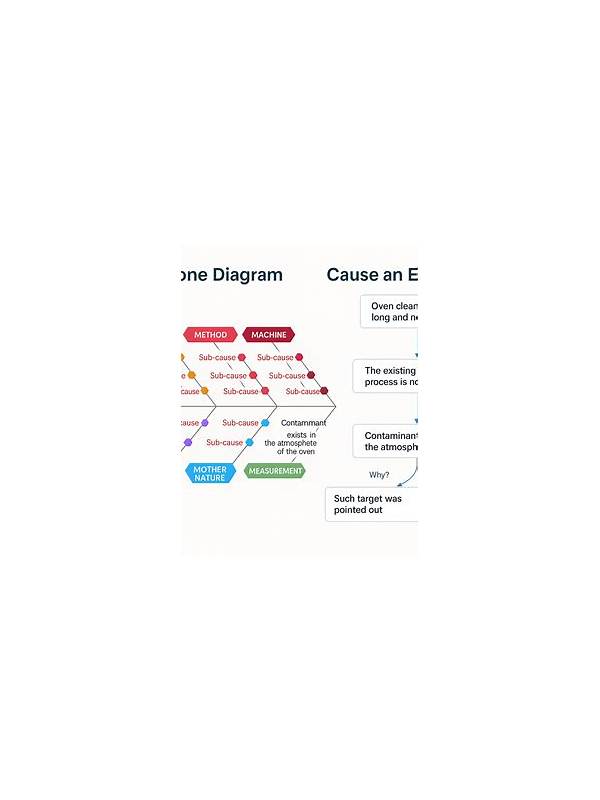
A post-hand review is most useful when it explains how the hand changed. A list of turns or a judgment about the final result is not enough. Build a cause-and-effect chain: what information existed, what decision you made, what structure changed, and what later problem or opportunity followed.
Choose three to five turning points rather than replaying every card. A turning point may be an early commitment, a discarded connector, a missed chance to simplify, or a late decision to chase a narrow route. For each point, write the hand state before the decision in a few words. This prevents hindsight from making the earlier choice look more obvious than it was.
Then record the decision and its reason. Use neutral language such as “kept the pair because it had two practical completions” or “discarded the high singleton to reduce penalty.” If you cannot name a reason, mark the decision as reactive. That is useful evidence, not a personal criticism.
Describe the consequence without claiming too much. A draw may improve one route but create a choice between two plans. A discard may remove a useful card but leave a cleaner hand. Avoid saying that one result proves a decision was wrong. Instead ask whether the consequence was reasonably foreseeable from the information available.
End each chain with one adjustment. It should be testable: set a deadline for a weak route, compare replacement difficulty, or perform a pre-declaration check. Do not write a broad lesson such as “play better.” A narrow adjustment can be applied in the next practice hand and evaluated.
Keep the review short enough to repeat. Five focused minutes after a session can reveal more than a long analysis performed only when a result feels painful. Over time, repeated chains show patterns: late simplification, overvaluing pairs, ignoring point exposure, or making discards without a candidate comparison.
The cause-and-effect method turns review into a learning tool. It respects uncertainty, identifies choices that were under your control, and produces a clear experiment for future play. That is more valuable than labeling a hand lucky, unlucky, good, or bad.
Separate process errors from information limits. Sometimes a sound decision fails because an expected card does not arrive. Other times a poor decision happens to succeed. The chain should describe what was knowable then, which keeps the lesson honest. Across reviews, decision patterns matter more than one outcome.
Keep the language specific and unemotional so the notes remain useful.