Rummy How-To: Review a Hand in Under Thirty Seconds
Fast play becomes easier when the review order is fixed. Instead of scanning every card repeatedly, use a short routine that answers the most important questions first. The exact time depends on the platform and format, but a thirty-second target is useful practice for reducing hesitation without replacing judgment.
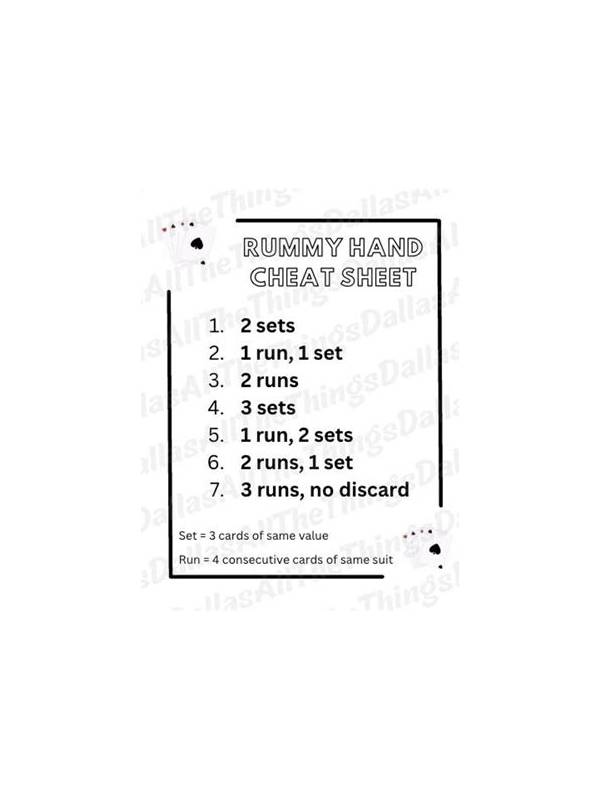
First, check the format requirement. Know whether you need a pure sequence, how many groups are required, and what happens if the hand is declared incorrectly. This prevents a visually attractive arrangement from distracting you from a rule that determines whether the whole hand is valid.
Second, scan for complete or nearly complete sequences. Read each suit in order and note groups that need one card. Third, scan ranks for possible sets. At this stage, do not calculate every theoretical combination. Mark only the strongest two or three structures and leave overlapping cards flexible.
Fourth, identify the most expensive or least useful cards. High isolated cards, duplicated cards with no clear route, and cards whose connectors have disappeared deserve attention. Choose a likely discard candidate, but keep it provisional until you have checked whether it protects a mandatory requirement.
Fifth, look at the visible discard information. If another player has recently taken a card, that action may provide limited evidence about what they are collecting. Do not assume a single pickup reveals a full plan. Use it only to avoid offering an obviously useful card when a reasonable alternative exists.
Finish by stating the next action in plain words: draw from the deck, consider the visible discard, protect the pure run, or release the isolated card. If the timer is nearly gone, make the simplest rule-compliant decision that limits downside. A fixed routine becomes faster through repetition and leaves more mental space for unusual hands. Practice the sequence away from a live table with sample hands and a timer. Stop the clock when you can name a rule concern, a leading structure, and a discard candidate. Then inspect whether the candidate was actually safe. The exercise should improve recognition, not encourage reckless speed. In a real game, take the time allowed by the platform and prioritize a legal, understandable move over an artificial target. Speed should come from order, not from skipping checks. A calm routine is more reliable than a hurried scan that must be repeated. The routine can be adapted to a shorter timer by combining the structure and cost checks. Preserve the order of priorities even when the wording becomes brief.