Rummy How-To: Turn a Bad Draw Into a Review Question
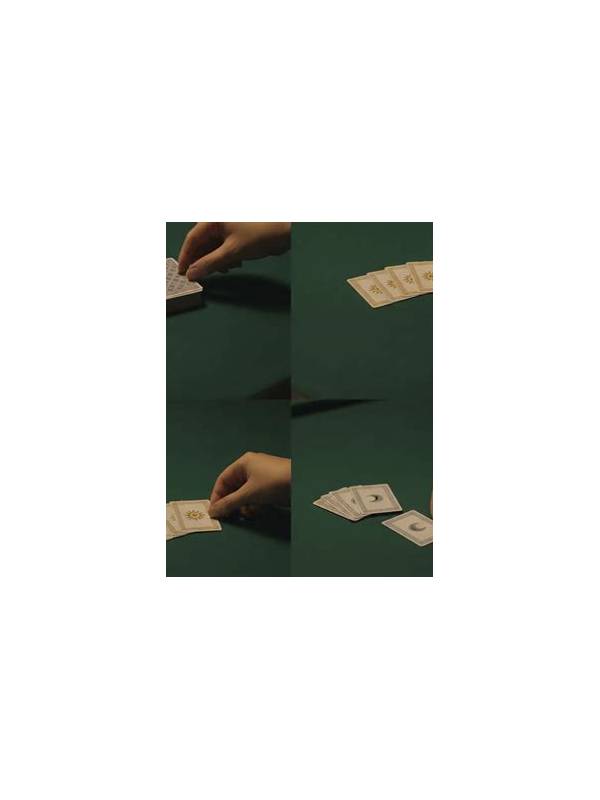
A bad draw can feel like proof that a plan was wrong, but the draw alone rarely answers that question. Instead of reacting with frustration, turn the event into a review question. This keeps the next decision connected to evidence rather than to the emotional weight of one card.
First describe the draw without judgment. Was it unrelated, a duplicate, a high-penalty card, or a card that created a tempting but narrow route? Precise description matters because each type requires a different response. An unrelated card may call for a discard; a tempting card may call for a comparison with the existing plan.
Next ask whether the draw changed the hand’s best route. If the answer is no, continue the plan and discard the weakest card. If it might have changed the route, identify the new demand and the old demand side by side. This prevents a single attractive connection from automatically replacing a route that already had support.
Then examine timing. Would the same card have been useful one or two turns earlier? A card can be good in isolation but late for the current hand. Ask whether holding it would require too many future draws or leave other cards exposed. Timing turns static card value into a practical decision.
Also review the discard consequence. If you release the card immediately, what information might you reveal? If you keep it, what structure are you delaying? These are trade-offs, not predictions. Write down the reason in one sentence, such as “Keep because it supports the only open pure sequence,” or “Release because it is a narrow route competing with two confirmed groups.”
After the hand, test the question in another sample. “Did I abandon supported routes too quickly?” is useful. “Why did the deal hurt me?” is not. A good review question can guide a drill, a note, or one deliberate habit in the next session. That is how an unfavorable draw becomes information without pretending that every outcome was under your control. A review question should be answerable from the information available at the time. Questions that require seeing the hidden deck or knowing an opponent’s hand cannot improve the process. Keep the exercise grounded in visible cards, stated rules, and your own available actions.