Rummy How-To: Turn a Confusing Hand Into a Small Inventory
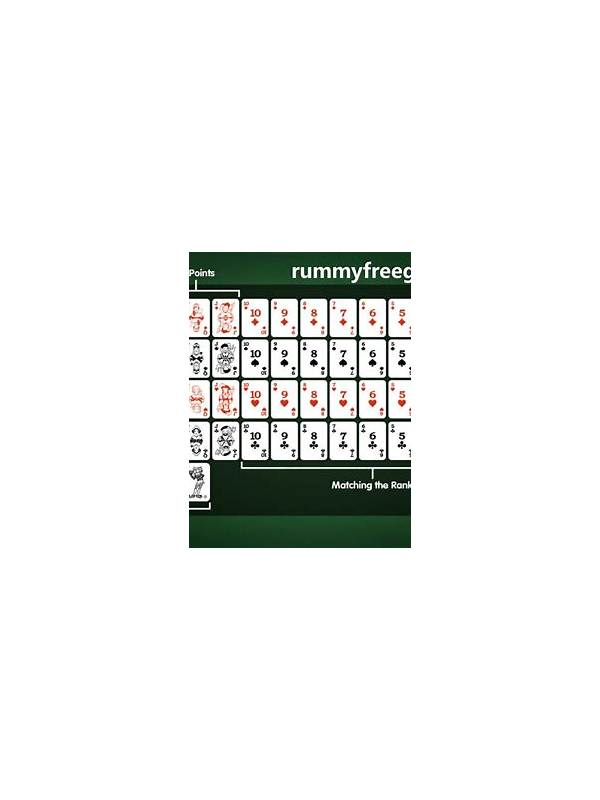
When a hand is confusing, adding more strategy usually makes it worse. Start with an inventory. The inventory is not a prediction of the next card; it is a plain description of what the hand contains now. This gives you a stable reference for choosing a draw and for noticing when a card has lost its role.
Make three categories: complete, candidate, and unassigned. Put every legal sequence or set in complete. Put cards that can join at least one plausible group in candidate. Put isolated cards, duplicate ideas, and cards whose purpose you cannot explain in unassigned. If a card seems to belong in two groups, mark it as a candidate for both but remember that it cannot be used twice.
Count the categories. A hand with several complete groups needs a different review from a hand with no fixed structure. In the candidate category, look for the group with the clearest missing card. In the unassigned category, find the card with the fewest realistic exits. This does not tell you exactly what to discard, but it narrows the comparison to decisions that affect the hand’s structure.
Update the inventory after every draw and discard. Move cards between categories rather than preserving an old plan. A card can move from candidate to unassigned when its partner becomes unavailable. Another can move into a complete group after a draw. The physical act of re-sorting, whether on screen or on paper, helps prevent a previous assumption from controlling the current turn.
Before declaring, replace the three broad labels with a legality check. Read each group separately and confirm that every card is accounted for once. The inventory is a thinking aid, not a substitute for the table rules. Its value comes from reducing confusion and making each unresolved card explainable. The inventory can also be used to communicate a hand to another learner. Show the complete groups first, then explain one candidate and one unassigned card. Ask the other person to describe the missing condition without immediately suggesting a move. This makes the structure visible and reveals whether your own labels are clear. In solo practice, take a photograph of the sorted hand and compare it with the inventory after the round. The mismatch often points to a recurring blind spot. Keep the inventory descriptive, not judgmental. It should help you see the hand, not persuade you that an earlier decision was right.